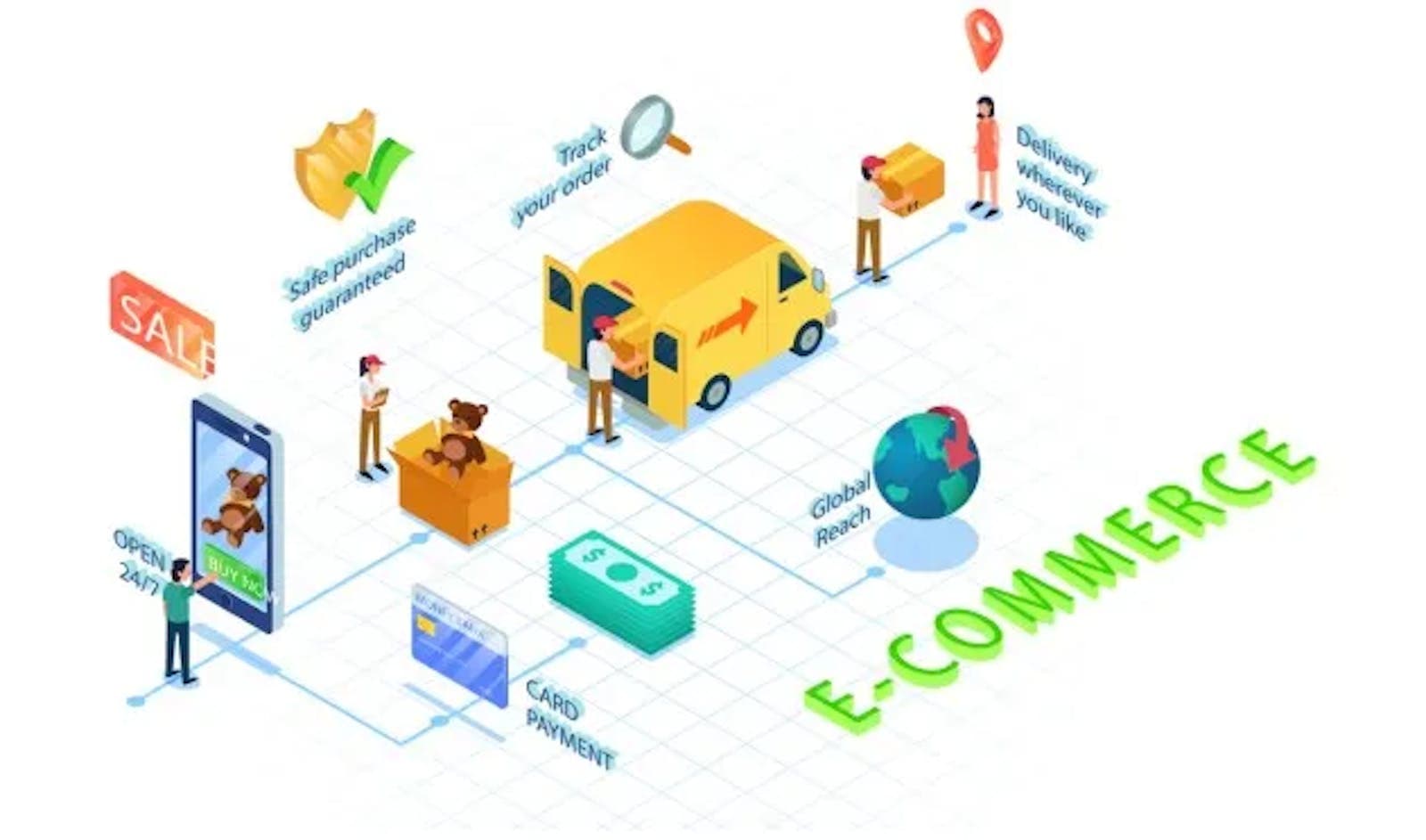
Advantages of Mobile Application for An eCommerce Store

Zarnish Khan
Feb 7, 2023 · 15 min read

In the US, almost 35% of consumers make online purchases using their mobile devices. This shows that mobile devices have become an integral part of our lives, revolutionizing the way we shop and interact with businesses. For eCommerce stores, having a mobile app is no longer just an option but a necessity.
With that in mind, let’s discuss the advantages of mobile app for your online store. Read on to know the reasons why an eCommerce store should have a mobile app and the benefits it brings for both businesses and customers.
Why Should An eCommerce Store Have a Mobile App?
Mobile apps are now being seen as having a significant impact on the development of interactions between organizations and consumers.
In fact, it is commonly known that mobile eCommerce apps help businesses get to know their clients better by always being just a "tap" away. Business owners may reach clients wherever they are and at any time by using a mobile eCommerce app.
Moreover, due to the size of the eCommerce market, the company requires a reliable platform to reach larger audiences. Both the Android and iPhone operating systems are steadily growing platforms that people are using more frequently.
Therefore, if you want to create a strong online business system that is lawfully accessible on smartphones, you must choose the best mobile application development company.
If you look at the market trends over the past ten years, you will find unmistakable evidence that traditional stores are losing ground to online and mobile stores. There are several reasons why people are moving slowly towards Internet stores.
Here are the amazing advantages of mobile apps for eCommerce stores:

Enhanced User Experience
A mobile app provides a seamless and optimized user experience tailored specifically for mobile devices. It allows customers to navigate through products, browse catalogs, and make purchases with ease.
With features like intuitive interfaces, simplified checkout processes, and personalized recommendations, mobile apps elevate the user experience, leading to higher customer satisfaction and engagement.
Increased Accessibility and Convenience
Mobile apps offer unparalleled accessibility and convenience for customers. With just a tap, users can access the eCommerce store anytime and anywhere, without the need to open a browser and enter a website URL.
This convenience boosts customer engagement and encourages frequent visits, ultimately resulting in increased sales and customer loyalty.
Push Notifications and Personalization
Mobile apps enable businesses to communicate with customers through push notifications. These notifications can be used to inform customers about new product launches, promotions, discounts, or order updates, keeping them engaged and informed.
Additionally, mobile apps allow for personalized experiences by leveraging user data and preferences, making tailored recommendations and offers based on individual customer behavior.
Improved Client Experience
Trendy clients want a consistent and individualized experience from brands throughout their relationship with them. And you wouldn't do this by dealing with your customers solely through websites. Choose mobile apps if you want your clients to make repeat purchases from you.
When you combine a mobile eCommerce application with the power of emerging technologies like machine learning, artificial intelligence, augmented reality, and virtual reality, you can gain important user-related insights such:
- What do your clients enjoy?
- When do they typically prefer to shop online?
- How long does it take them to decide what to buy?
You will be able to provide your clients with an enhanced shopping experience and boost your sales after you have the answers to all of these questions.
Enhanced Brand Loyalty
A mobile app provides a direct channel of communication between the eCommerce store and its customers. By offering exclusive deals, rewards programs, and personalized experiences, apps foster a sense of loyalty and affinity towards the brand.
Repeat purchases and increased customer retention are often observed as a result of a well-designed mobile app strategy.
Utilizing Mobile-specific Features
Mobile apps leverage the unique features of smartphones, such as camera integration for product scanning, location-based services for personalized offers, and mobile payments for seamless transactions.
These features enhance the overall shopping experience, making it more interactive, efficient, and enjoyable for customers.
More Effective Marketing Communication
Using mobile devices, consumers can connect with brands around-the-clock. These portable electronics have enhanced how customers connect with brands, find information, and shop. Online shopping on mobile devices is becoming more and more popular.
Therefore, it's critical for businesses to incorporate such tools into their marketing strategies. This will help to improve the way the brand interacts with customers.
Brands must use mobile eCommerce to engage customers consistently and steadily if they want to capitalize on the potential of connected consumers.
Mobile commerce can be utilized to more efficiently provide clients with deals, discounts, and coupons in addition to assisting them in maintaining a relationship with the business.
Competitive Advantage
Having a mobile app sets up eCommerce stores apart from competitors who rely solely on a website. By embracing mobile technology, businesses demonstrate their commitment to innovation and customer-centricity, gaining a competitive edge in the market.
Mobile apps are increasingly becoming the preferred shopping method for many consumers, and neglecting this platform can result in missed opportunities.

Types Of Mobile Apps for eCommerce Store
Mobile apps have become an essential part of the eCommerce landscape, offering businesses the opportunity to provide a seamless shopping experience to their customers.
There are different types of mobile apps that eCommerce stores can consider, each with its own advantages and characteristics. Here are a few common types:
Native Mobile Apps
Native apps are developed for specific platforms like iOS (Apple) or Android. They are built using programming languages and tools native to the platform, offering high performance and access to device-specific features.
Native apps provide a rich user experience and can leverage platform-specific functionalities for a seamless shopping experience.
Hybrid Mobile Apps
Hybrid apps are developed using web technologies like HTML5, CSS, and JavaScript, wrapped in a native container.
They can run on multiple platforms, reducing web development time and cost. Hybrid apps provide cross-platform compatibility while still offering access to device features, making them a cost-effective option for eCommerce stores.
Progressive Web Apps (PWAs)
PWAs are web applications that provide an app-like experience through a web browser. They are built using modern web technologies and can be accessed directly from a browser without the need for installation. PWAs offer offline capabilities, push notifications, and responsive design, providing a seamless experience across different devices.
Augmented Reality (AR) Apps
AR apps leverage the capabilities of mobile devices to overlay digital information onto the physical environment. In the context of eCommerce, AR apps allow customers to visualize products in their own environment before making a purchase.
AR apps enhance the shopping experience by providing a more immersive and interactive way to explore and evaluate products.
Virtual Reality (VR) Apps
VR apps create a simulated environment that users can interact with using specialized devices like VR headsets. Although less commonly used in eCommerce, VR apps can offer virtual shopping experiences where customers can explore virtual stores and interact with products in a highly immersive way.
Summing It Up
The advantages of having a mobile app for an eCommerce store are undeniable. From improving user experience and convenience to increasing brand loyalty and gaining a competitive advantage, a mobile app opens up a world of possibilities for businesses.
By embracing mobile technology and catering to the evolving needs and preferences of customers, eCommerce stores can tap into a growing market segment and thrive in the digital landscape.
Investing in a mobile app is a strategic decision that can significantly enhance the success and growth of an eCommerce business.