Building Futuristic Web Apps with MERN: A Comprehensive Guide

Zarnish Khan
Feb 7, 2023 · 15 min read
In the fast-paced digital era, businesses and developers strive to create web applications that are not only robust and scalable but also deliver seamless user experiences.
Web apps nowadays are very different from what they were ten years ago. We first built websites using simple HTML and CSS. Then JavaScript arrived and completely changed how the web functions.
Since then, single-page apps, often known as SPAs, have become a reality thanks to JavaScript frameworks, which have advanced web technologies significantly. Today, we can create websites and apps that only ever need to load the code files once, even when users are browsing different pages.
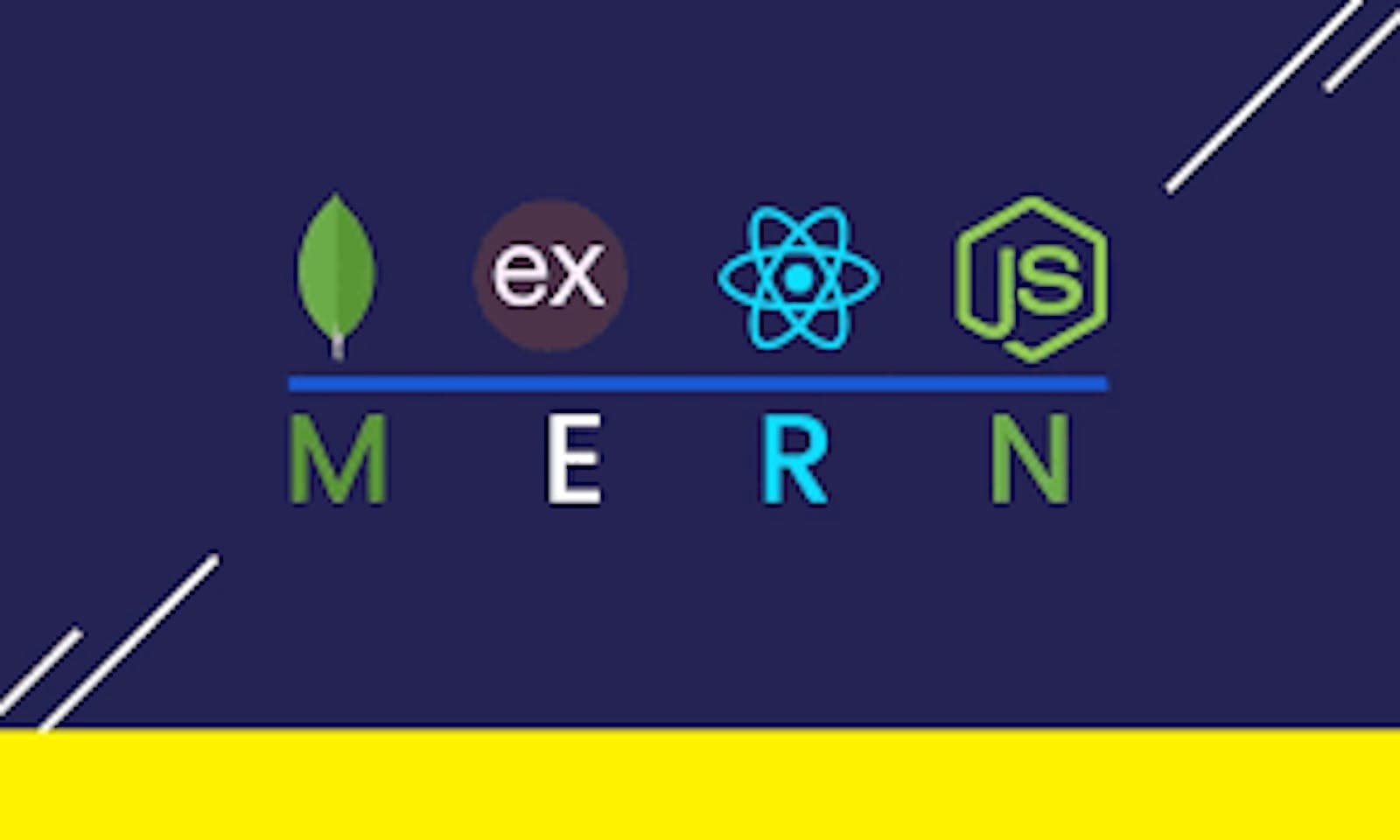
The MERN stack—MongoDB, Express, React, and Node. js—has emerged as a powerful combination for building cutting-edge web applications.
This comprehensive guide will take you on a journey through the MERN stack, offering insights and best practices to build futuristic full-stack applications with MERN.
MERN Stack to Build Full-Stack Applications
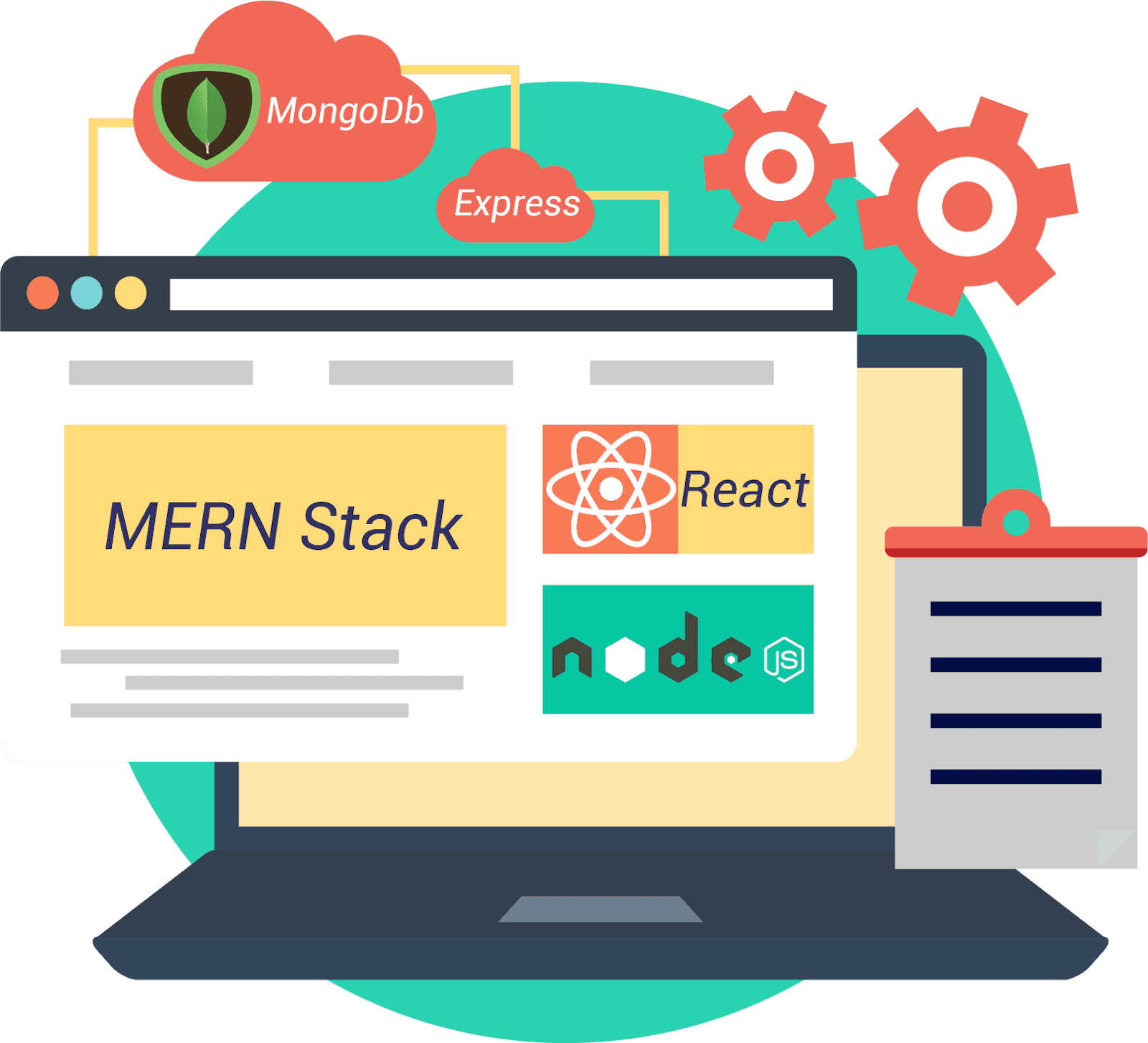
The MERN stack is a JavaScript-based technology stack that includes MongoDB as the NoSQL database, Express.js as the web application framework, React as the frontend library, and Node.js as the backend runtime environment. Its single-language, full-stack approach allows developers to streamline development and create highly efficient web applications.
MongoDB
MongoDB A NoSQL database, MongoDB is renowned for its adaptability and scalability. It is perfect for handling complex data structures since it saves data in a flexible JSON-like format called BSON.
Faster development cycles are made possible by MongoDB's document-oriented approach, which enables developers to store, retrieve, and change data effectively.
Node.js
A runtime environment called Node.js enables server-side programming by executing JavaScript code outside of the browser. It uses an event-driven, non-blocking I/O approach that makes it extremely scalable and effective at managing multiple connections at once.
Developers may create high-performance, real-time apps with Node.js that can support numerous concurrent users.
Express.js
It is a simple and adaptable web application framework for Node.js. It provides a comprehensive collection of functionality for processing HTTP requests, routing, middleware, and more, simplifying the process of developing server-side applications.
Express.js is a great option for creating the backend of MERN stack apps since it enables developers to design scalable and RESTful APIs.
React
It is a well-liked JavaScript library for creating user interfaces. Reusable UI components can be made by developers using React, facilitating the quick creation and upkeep of sophisticated apps.
React's virtual DOM (Document Object Model) makes it possible to update and render documents quickly, creating user interfaces that are responsive and quick. Its component-based architecture encourages modular development and code reuse.
Setting Up the Development Environment
Before diving into MERN, you need to set up a development environment. Install Node.js and npm (Node Package Manager) to manage dependencies efficiently. MongoDB should be installed to manage the application's database. Additionally, set up code editors and other development tools for a smooth workflow.
Backend Development with Node.js and Express
Begin the backend development by creating a server using Node.js and Express. Build RESTful APIs to handle client requests, database operations, and server responses. Properly configure middleware, authentication, and error handling to ensure robustness and security.
Creating the Frontend with React
With the backend in place, focus on building the frontend using React. Leverage React's component-based architecture to design interactive and reusable UI components. Implement React Router for client-side routing and ensure a smooth user experience.
Integrating MongoDB for Data Management
Integrate MongoDB as the database for your MERN app. Set up database connections, perform CRUD operations using MongoDB's querying language, and ensure data consistency and security.
State Management with Redux
For complex applications, managing state effectively is crucial. Integrate Redux, a predictable state management library, to centralize and manage the app's state efficiently.
Implementing Real-time Features with WebSockets:
To add real-time features like chat or live updates, integrate WebSockets into your MERN app. Use libraries like Socket.io to establish bi-directional communication between the client and the server.
Testing and Debugging
Thoroughly test your MERN web app using tools like Jest and Enzyme for React components and backend testing frameworks like Mocha or Chai. Implement proper debugging practices to identify and fix issues efficiently.
Deployment and Scalability
Prepare your app for deployment by optimizing its performance and reducing load times. Choose a hosting platform that supports Node.js and MongoDB, and ensure the app can scale to handle increasing user demands.
Continuous Integration and Delivery (CI/CD)
Implement CI/CD pipelines to automate the build, testing, and deployment process. CI/CD ensures a seamless workflow and faster delivery of new features and updates.
Authorization
Simply said, authorization is the process of limiting certain routes to just certain categories of users. For instance, since you need to associate each order with a certain user, you do not want a user who is not logged in to place an order.
In a similar vein, you don't want any random person to delete another user's account. Only administrators should have access to this functionality. And for that reason, you require permission.
To prevent abuse through authorization, you can impose some restrictions on access to your backend API. The use of JSON Web Tokens, or JWT for short, is among the most widely used methods of implementing authorization.
You can return a token to a user after they register or log in. You can encode the user ID in the payload so that it can be used to uniquely identify the user when this token is given into headers during subsequent API calls.
This can assist you in determining the user accessing the routes, as well as whether or not they are logged in and administrators.
Choose The Best MERN App Development Services
Hiring our MERN web development services promises an unparalleled experience for transforming your ideas into reality. Our expert team of seasoned developers is well-versed in the MERN stack, ensuring the delivery of highly efficient, scalable, and futuristic web applications.
We take a client-centric approach, carefully understanding your unique requirements and business objectives. With a track record of successful MERN projects, we guarantee exceptional results that surpass expectations.
Our web app development with MERN encompasses the entire development lifecycle, from ideation and design to deployment and ongoing support. Leveraging the latest tools and best practices, we craft seamless user interfaces, robust backend systems, and real-time features that captivate users and drive business growth.
When you hire us, you gain a reliable partner committed to delivering high-quality, bug-free code on time and within budget. Let us be your trusted ally in the world of MERN app development, providing innovative solutions that propel your business to new heights.
Final Word
The MERN stack is a powerful combination of technologies that empowers developers to build futuristic web applications with unmatched performance and user experiences.
By following this comprehensive guide, you can embark on your MERN journey and create web apps that define the future of the digital landscape. Embrace the MERN stack and unlock endless possibilities for your web development projects. Happy coding!