Learn The Most Effective SEO Strategies for Your Business

Zarnish Khan
Jan 2, 2023 · 15 min read
The majority of you have probably seen the phrase "SEO" used in connection with online commerce, digital marketing, or internet circles in general. You'd be astonished to learn how few individuals actually comprehend what those three letters mean, preferring instead to merely remember them.
If it describes you, we've got you covered, and if you've never heard the expression before, you're in luck. You will learn everything you need to know in this article to implement a successful SEO (search engine optimization) plan.
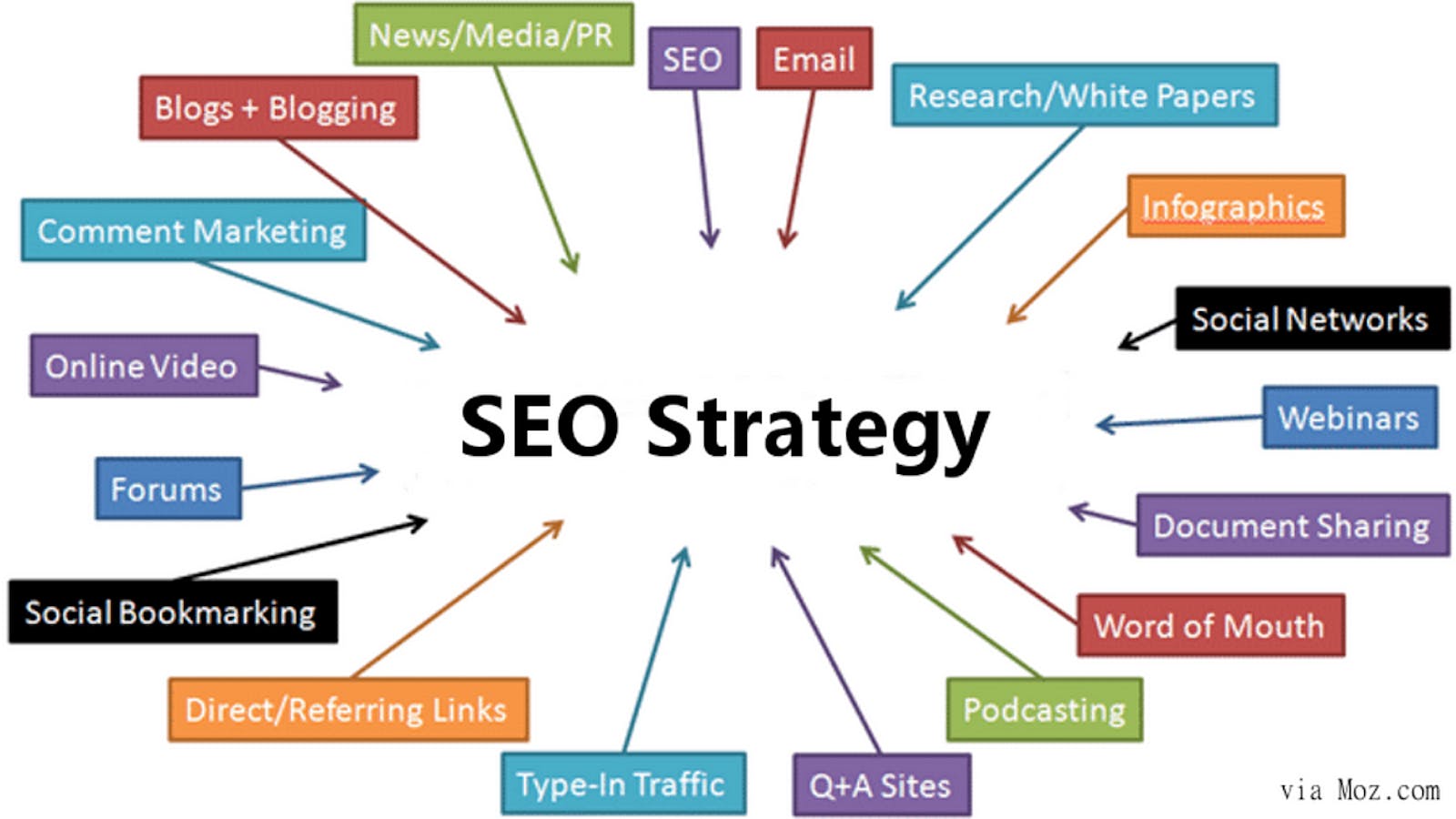
It’s 2023 and SEO Isn’t Going Anywhere!
Almost 40% of the marketing budgets of contemporary organizations are spent on SEO on average since around 60% of marketers believe that SEO is the key to online success.
In conclusion, spending the effort to develop an effective SEO strategy may completely transform both your web traffic and your organization as a whole.
Internet usage is at its highest point ever given the state of the world today. We are now streaming more movies and television than normal, increasing our online purchasing, and attending more Zoom meetings than we can possibly attend in a lifetime due to the pandemic.
Throughout 2021, SEO was essential for a huge number of firms, and in 2022, we anticipate that trend to continue. How therefore can you develop an SEO strategy that adapts as the New Year draws closer? So, let's start with the fundamentals.
Best SEO Strategies for Your Business
We know that in the digital age, having a strong online presence is crucial for the success of any business. Search Engine Optimization (SEO) plays a vital role in driving organic traffic to your website and boosting your visibility on search engine result pages.
Keyword Research and Targeting
Keyword research is the foundation of any successful SEO strategy. Identify relevant keywords and phrases that align with your business niche and target audience. Utilize tools like Google Keyword Planner and SEMrush to uncover high-volume and low-competition keywords to optimize your content effectively.
Metadata
Metadata can be compared to your storefront. The first two items a user sees in the SERP, your meta title and meta description, determine whether or not they click.
Additionally, Google employs "crawlers"—imagine little robot spiders—to browse websites and gather data related to search queries. Including keywords in your metadata (including header tags and picture tags) will help Google recognize the relevancy of your page more quickly.
High-Quality Content Creation
Content is king in the realm of SEO. Craft valuable, informative, and engaging content that addresses the needs of your target audience.
Incorporate targeted keywords naturally while maintaining the overall readability and flow of your content. Well-written content not only attracts readers but also encourages them to share it, improving your website's credibility and authority.
On-Page Optimization
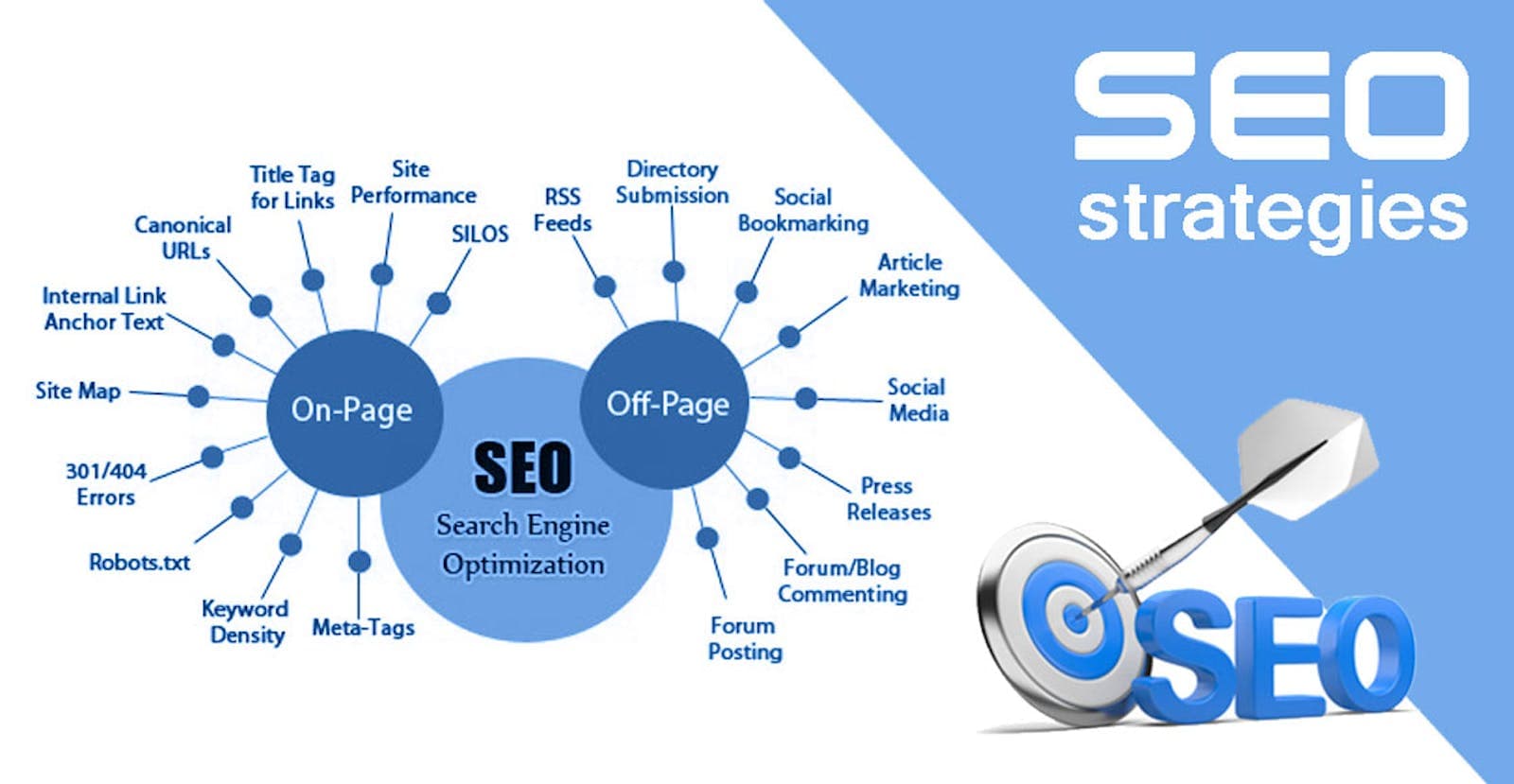
Optimize your website's on-page elements, including titles, meta descriptions, headings, and URLs. Ensure that each page has a unique and relevant title and meta description that accurately describes its content.
Use header tags (H1, H2, etc.) to structure your content and make it more accessible to both users and search engines.
Mobile-Friendly Website
With an increasing number of users accessing the internet through mobile devices, having a mobile-friendly website is essential.
Ensure that your website is responsive and adapts to various screen sizes. Google considers mobile-friendliness as a ranking factor, making it crucial for SEO success. Get help from our top SEO agency.
Write Excellent Content (Naturally)
Utilize your marketing spidey sense in this situation and make excellent content for your target audience. The questions your customers have, the insights they can utilize, and the education that helps them become better at what they do are all examples of valuable content.
Keep in mind to naturally incorporate the right keywords into the fantastic content you're producing. Don't try to artificially inflate the rating of your website by stuffing your pages with keywords (e.g., repeating them in your text, meta descriptions, alt tags, etc.). It won't improve your search ranking and can even make it worse.
Because their bots are so intelligent, search engines will detect you if you do, and they may punish your site by decreasing its rating or eliminating it entirely from their index. Additionally, it won't dazzle website visitors.
Who would like to repeatedly read: "Are you seeking organic dog food? Look no further if you're seeking organic dog food. The best location to order your organic dog chow is through our website. You are writing for a human, therefore be honest.
Employ Linking Techniques
We previously talked about how spiders locate URLs and then connect to other URLs on that page to find additional material. There are two kinds of linking to consider when utilizing linking strategies:
Internal Links
These on your website serve as links between pages. These are crucial because they make it easier for users to traverse your website and for Google to comprehend its structure. If a user has trouble navigating your website, search engines are definitely having a hard time as well.
A great place to start is by mapping your website's navigation and adding links to additional pages that complement the content on the original page.
For instance, the menu on your website, which lists all of the pages there, is an internal link. Internal links are those that lead from other pages on your website to your contact page.
External Links
These either point to or connect your site to an external site. These links increase the chances that search engines will reach your website. Your website will rank higher in search results just because it is mentioned.
For instance, numerous Wikipedia articles have links to other websites. These are external links to websites that people have looked up information on. The fifth-most visited website on the planet is Wikipedia.
Since it enables users to include site links within the material, it has been immensely popular for being effective for both on-page and off-page SEO methods. This raises the rating of users' websites.
Backlink Building
Earning high-quality backlinks from reputable websites is a powerful SEO strategy. Create shareable and link-worthy content that other websites will want to link back to. Outreach to industry influencers and bloggers to promote your content, increasing the chances of obtaining valuable backlinks.
Page Speed Optimization
A fast-loading website is critical for both user experience and SEO. Optimize your website's page speed by compressing images, leveraging browser caching, and using a content delivery network (CDN). Google considers page speed as a ranking factor, and a faster website leads to higher user satisfaction and increased conversions.
Enhance The User Experience
Beyond website content, great SEO results are becoming more and more dependent on good user experience.
Google has changed its emphasis from placing a low priority on sites that give high-quality user experiences across platforms and devices to a considerably greater priority. Search engine optimization is gradually becoming user optimization, even if traditional ranking variables are still dominant.
Work with your web developers to make sure that your website is simple to use, that each link functions, and that it leads users to the information they are seeking.
Wrap Up
Implementing effective SEO strategies is essential for enhancing your online visibility and attracting more potential customers to your website.
Stay updated with the latest SEO trends and continually refine your strategies to stay ahead of the competition and maximize your online presence.
Get help from eBridge, the best digital agency for small businesses.