What Is Bounce Rate? And How to Quickly Improve It?

Zarnish Khan
Sep 22, 2023 · 4 min read

In the realm of website analytics, the term "bounce rate" plays a pivotal role in assessing user engagement and overall website performance. It serves as a crucial metric that provides insights into the effectiveness of your web design and content.
In this blog, we'll discuss the basic concept of bounce rate, what it signifies, and explore actionable strategies to swiftly enhance it for better user experience and higher conversions.
What Is Bounce Rate?
Bounce rate refers to the percentage of visitors who land on a single page of your website and then navigate away without interacting with any other pages. In essence, a high bounce rate implies that visitors are leaving your site without delving deeper into its content.
This metric is valuable in understanding how engaging and relevant your landing pages are to your audience.
What You Need to Know
A high bounce rate can indicate several issues, including poor content relevance, slow loading times, confusing navigation, or unattractive design. A lower bounce rate, on the other hand, suggests that visitors are finding what they need and are motivated to explore further, potentially leading to higher conversions.
What Happens If Your Website Has A High Bounce Rate?
A high bounce rate on your website indicates that a significant portion of visitors are leaving after viewing only one page, which can have several negative implications:
- Poor User Engagement: A high bounce rate reflects a lack of engagement, suggesting that visitors aren't finding your content appealing or relevant.
- Reduced Conversions: Bounced visitors don't convert, whether it's making a purchase, signing up, or engaging with your site's intended actions, impacting your goals.
- Lower Search Engine Ranking: Search engines interpret high bounce rates as a sign of poor user experience, potentially leading to lower rankings and decreased organic traffic.
- Wasted Marketing Efforts: If you're driving traffic through marketing campaigns, a high bounce rate wastes your marketing budget and efforts without yielding desired results.
- Negative Perception: High bounce rates can tarnish your brand's image, as visitors might associate it with unappealing content, slow loading times, or lack of professionalism.
- Ad Campaign Inefficiency: If you're running paid advertising, high bounce rates can reduce the effectiveness of your ad campaigns, leading to lower Quality Scores and higher costs.
- Lost Revenue: E-commerce sites with high bounce rates experience missed sales opportunities and decreased revenue potential.
- Inaccurate Analytics: High bounce rates can skew your analytics, making it challenging to accurately assess user behavior and make informed decisions.
To address these challenges, it's crucial to analyze the underlying causes of high bounce rates and implement strategies to improve user engagement, site design, content quality, and overall user experience.
SEO Services and Their Impact on Bounce Rate Improvement
SEO services are an essential tool for tackling high bounce rates. Through keyword optimization, quality content, enhanced UX, technical improvements, and more, these services create an environment that keeps users engaged and motivated to explore multiple pages on your website.
- Optimize Page Load Speed: Slow-loading pages can drive visitors away. Ensure your website is optimized for speed to provide a seamless user experience.
- Create Relevant and Engaging Content: Craft content that addresses visitors' needs and expectations, keeping them engaged and motivated to explore.
- Improve Visual Design: A visually appealing and organized design can captivate visitors, encouraging them to stay longer.
- Enhance Call-to-Action (CTA): Clear, compelling CTAs guide users to take the desired actions, reducing bounce rates by encouraging interaction.
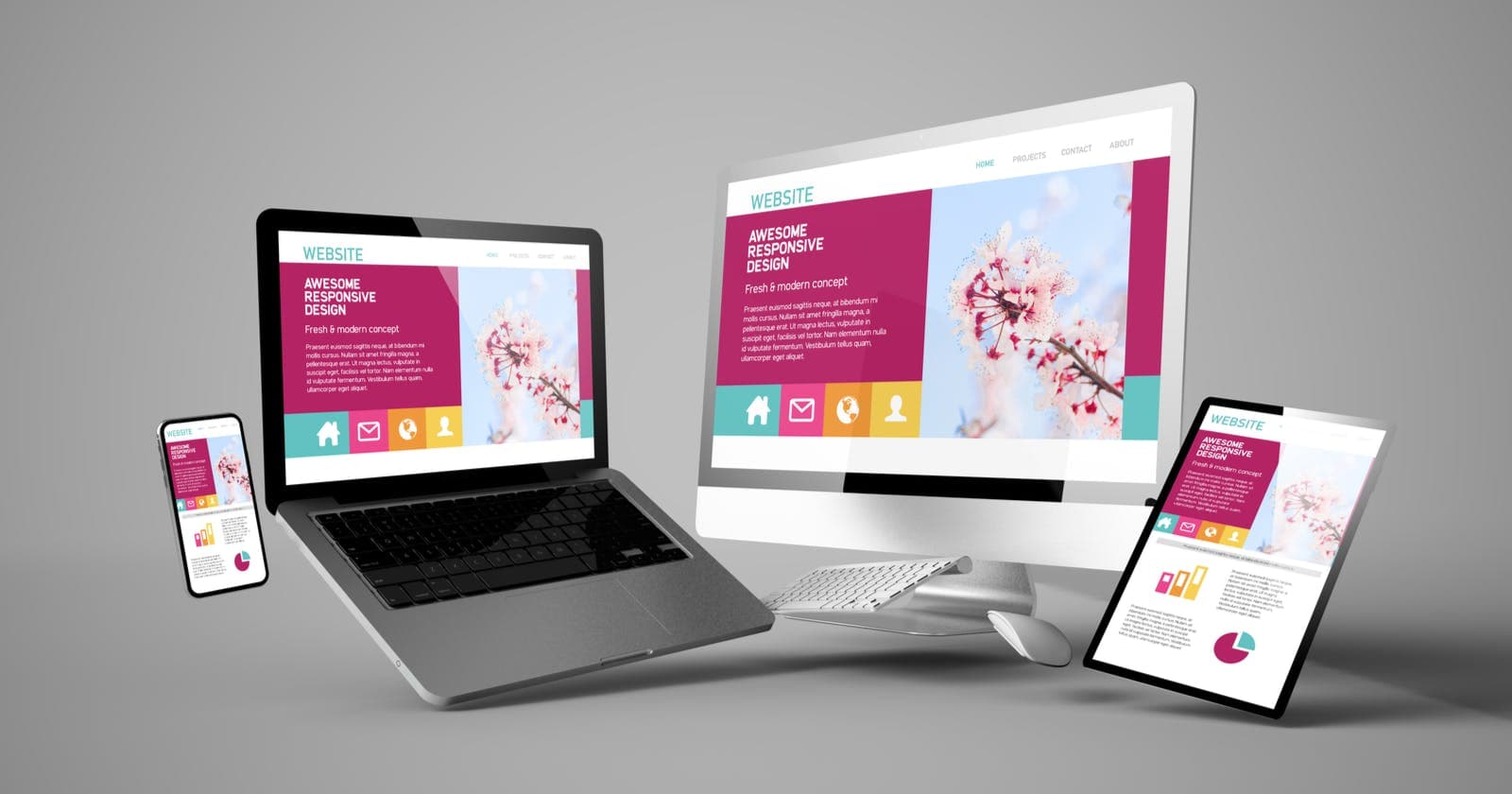
- Mobile Responsiveness: With mobile users increasing, ensuring your site is responsive on various devices is essential to retain visitors.
- Simplify Navigation: professional bounce rate services understand that Intuitive navigation helps visitors find what they're looking for, minimizing frustration and bounces.
- Optimize Keywords and Meta Descriptions: Align your content with relevant keywords and craft enticing meta descriptions to attract the right audience.
- Use Multimedia Wisely: High-quality images, videos, and interactive elements can enhance engagement and reduce bounce rates.
- External Links: If you have external links, ensure they open in new tabs to prevent visitors from leaving your site entirely.
- Test and Iterate: Regularly analyze bounce rate data, test different strategies, and iterate to find what works best for your audience.
The Bottom Line
Bounce rate is a critical metric that sheds light on your website's effectiveness in engaging visitors. By understanding the factors contributing to a high bounce rate and implementing strategic improvements, you can create a more user-centric online presence.
Enhancing bounce rate not only keeps visitors engaged and satisfied but also increases the likelihood of achieving your conversion goals. With the right approach and continuous optimization, you can foster a more enjoyable and fruitful user experience.