What Is Headless CMS—Why Is It So Popular?

Zarnish Khan
Nov 14, 2023 · 4 min read
Content Management Systems (CMS) have been integral to powering websites and delivering digital content seamlessly.
However, a new player has emerged in the CMS arena that is gaining significant traction - the Headless CMS. In this guide, we will explore what a Headless CMS is, how it differs from traditional CMS, and why it has become so popular among developers, marketers, and businesses alike.
Understanding Headless CMS
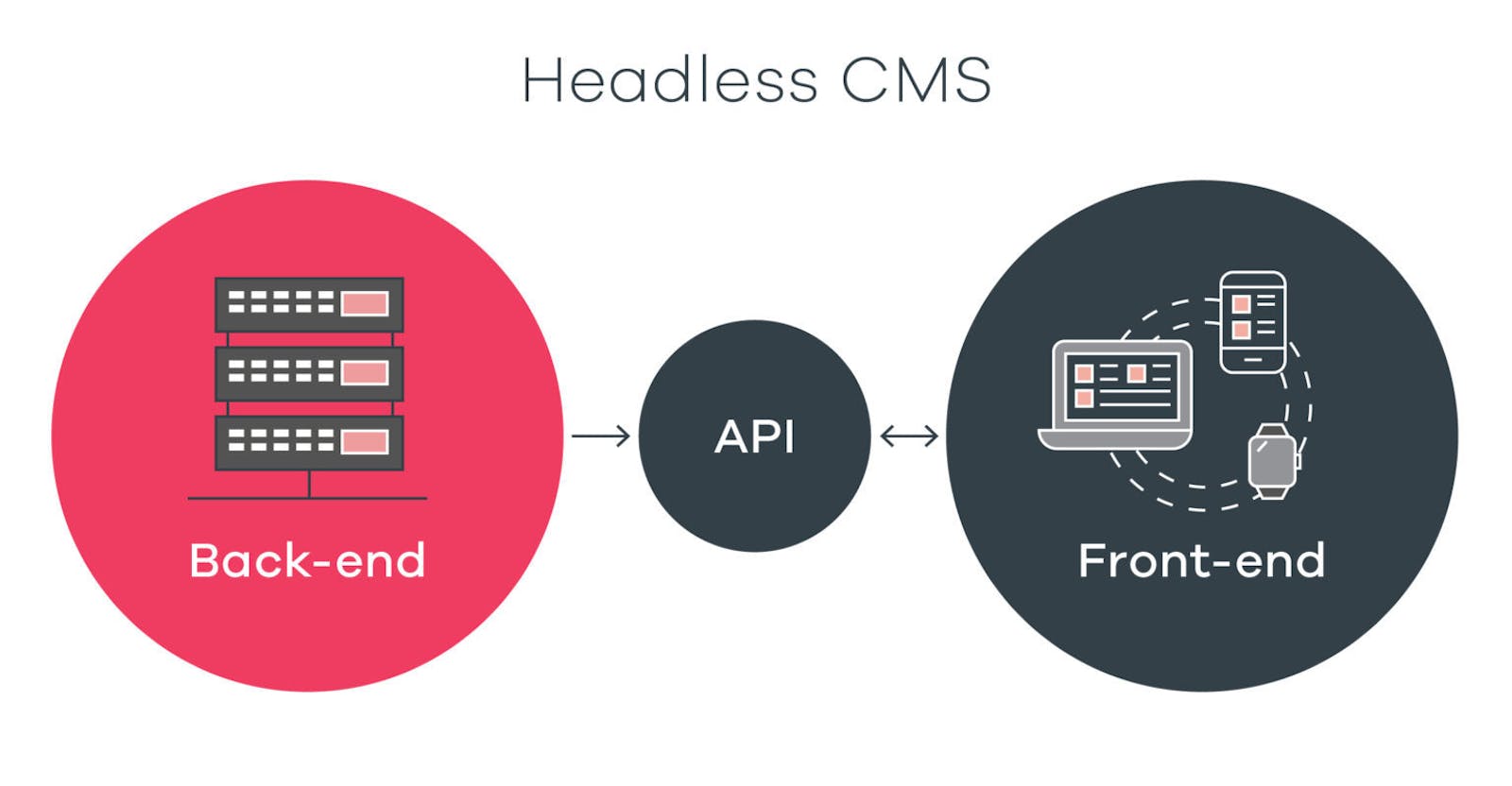
A Headless CMS is a content management system that decouples the back-end content management functionality from the front-end presentation layer. In simpler terms, it separates the content creation and management process from how that content is displayed and delivered to users.
In a traditional CMS, the front-end and back-end are tightly coupled, meaning the design, layout, and structure are interconnected with the content management system. On the other hand, in a Headless CMS, the back end manages and stores the content, while the front end (or "head") is responsible for displaying that content on various devices and platforms.
Read also: Why Should We Use Next.js with Headless CMS In Web Development?
Key Features of Headless CMS
- Flexibility and Agility: The decoupled architecture of a Headless CMS allows for greater flexibility and agility. Developers can build the front end using their preferred technology, ensuring a seamless user experience across different devices. Moreover, when your project demands scalability and flexibility, a Headless CMS provides an edge. It enables seamless integrations with other systems and services, offering a future-proof solution as your business grows and adapts to emerging technologies.
- Omnichannel Content Delivery: Headless CMS enables content to be delivered to various channels and platforms, including websites, mobile apps, IoT devices, and more. This ensures a consistent brand experience for users regardless of the platform they use.
- Faster Development: Developers can work independently on the front-end and back-end, streamlining the development process and enabling faster iterations and updates.
- Improved Performance: Since a Headless CMS delivers only the necessary content, it can lead to improved website performance and faster load times.
- Enhanced Security: Separating the front-end and back-end reduces the risk of security breaches, as sensitive content management functions are isolated from the public-facing front-end.
Why Headless CMS is So Popular
The rising popularity of Headless CMS can be attributed to several factors:
Future-Proofing
With the proliferation of new devices and platforms, Headless CMS future-proofs websites by providing a scalable and adaptable solution.
Personalization and Customization
Headless CMS allows businesses to deliver personalized content experiences, tailoring content to specific user segments or demographics.
SEO-Friendly
The decoupled architecture makes it easier to optimize content for search engines, contributing to better SEO performance.
Performance and Speed
For projects that prioritize performance and faster load times, a Headless CMS can be advantageous. By delivering only the necessary content, without the overhead of presentation templates, a Headless CMS can contribute to improved website speed and overall performance.
Collaborative Workflow
The separation of front-end and back-end allows teams to collaborate more efficiently, as developers and marketers can focus on their respective tasks without interfering with each other's work.
Integration Capabilities
Headless CMS can easily integrate with third-party tools and services, enhancing its capabilities and extending its functionality.
When To Use Headless CMS?
Knowing when to use a Headless CMS is crucial for businesses and developers seeking the most suitable content management solution for their projects.
While traditional CMS platforms have their merits, the unique benefits of a Headless CMS come into play in specific scenarios.
Omnichannel Content Delivery
When your content needs to be delivered across various platforms and devices, a Headless CMS shines. It allows you to serve content to websites, mobile apps, IoT devices, wearables, and more, ensuring a consistent and optimized experience for users, regardless of their preferred platform.
Custom Front-end Development
If you require a highly customized and unique front-end experience, a Headless CMS is the way to go. By separating the back-end content management from the front-end presentation, developers can use their preferred technologies, frameworks, and tools to create tailored user interfaces.
The Bottom Line
Headless CMS is an ideal choice when your project demands omnichannel content delivery, custom front-end development, scalability, flexibility, performance, and content personalization.
It provides the freedom and versatility to build content-driven experiences that meet the specific needs of modern businesses and deliver seamless user interactions across a diverse array of platforms and devices.
In a nutshell, Headless CMS has captured the attention of the digital world due to its flexibility, scalability, and ability to cater to the ever-changing landscape of content delivery.
As businesses strive to provide seamless user experiences across multiple platforms and devices, the popularity of Headless CMS continues to soar, empowering organizations to deliver content-driven experiences that captivate their audiences and stay ahead in the dynamic digital ecosystem.