Why Should We Use Next.js with Headless CMS In Web Development?

Zarnish Khan
Feb 7, 2023 · 15 min read
In recent years, web development has witnessed significant advancements in technology and frameworks. One powerful combination that has gained popularity is using Next.js, a React framework for server-side rendering, along with a headless CMS (Content Management System). This dynamic duo offers numerous benefits and opens up new possibilities for developers.
The emergence of headless CMS (Content Management System) solutions has given businesses an unmatched level of agility, enabling quick storefront changes. In fact, a startling 77% of firms using headless CMS claim to have personally experienced these advantages.
The strong front-end framework Next.js, which works superbly with headless CMS back-ends like WordPress, Strapi, Shopify, or Storyblok, is at the vanguard of this movement.
With that in mind, we will delve into the reasons why Next.js with a headless CMS is a winning combination in web development in this detailed blog.
First Things First, Headless CMS: What Is It?
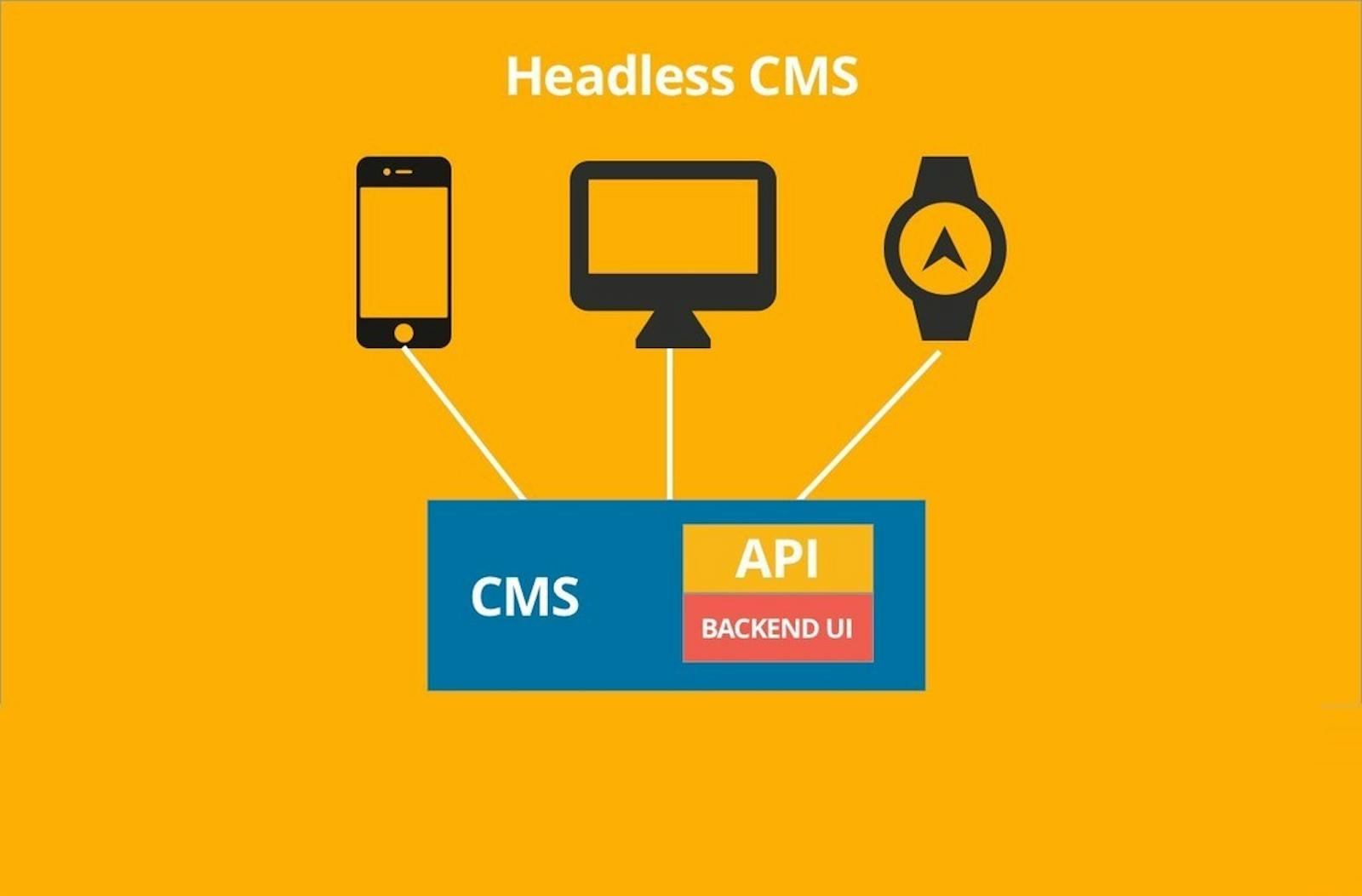
A content management system (CMS) that clearly isolates content administration from the front-end or display layer of a website is known as a headless CMS.
It provides seamless content sharing across numerous platforms, including websites, mobile applications, e-commerce businesses, and booking platforms, by utilizing a content API (Application Programming Interface).
Headless CMS systems are increasingly the go-to option for businesses looking to produce consistent, engaging content across numerous channels and devices as digital experiences continue to evolve.
A headless CMS is a recommended option for businesses that place a high value on providing individualized and responsive user experiences due to its adaptability and efficiency.
What Is Next.js?
One of the most well-liked JavaScript frameworks is Next.js. It is a React-based framework that gives programmers a selection of instruments and assets for creating cutting-edge and effective online applications.
With the number of developers who have adopted it, Next.js has significantly increased in popularity in recent years. In 2023, 14% of developers worldwide reportedly utilize the framework.
Thus, Next.js is a very well-liked React framework. It has numerous features, including:
- Automatic compilation and bundling with zero configuration. built from the ground up with manufacturing in mind.
- Hybrid: SSG and SSR: Pre-render pages in a single project at build time (SSG) or request time (SSR).
- Incremental Static Generation: After build time, incrementally add and update static pre-rendered pages.
- Support for TypeScript: Automatic compilation and configuration of TypeScript.
- Fast Refresh: Automatic compilation and configuration of TypeScript.
Reasons for Using Next.js To Create Headless CMS
Let's explore the reasons for using Next.js to create Headless CMS.
Enhanced Performance
Next.js provides server-side rendering (SSR), which generates HTML on the server and sends it to the client. This approach improves page load times and provides a better user experience. By integrating a headless CMS, content is fetched at build time or on demand, reducing the burden on the server and enhancing overall performance.
SEO-Friendly
Search Engine Optimization (SEO) is crucial for any website's visibility. With Next.js's SSR capabilities, search engines can easily crawl and index pages, resulting in better rankings. By coupling Next.js with a headless CMS, developers can optimize meta tags, keywords, and URLs to improve organic search rankings.
Seamless Content Management
Headless CMS separates the backend content management from the frontend presentation layer, enabling content editors to update and manage content without any knowledge of coding. Next.js allows for easy integration with various headless CMS options, providing a user-friendly interface for content creation and management.
Expertise of Developer
Developers can construct completely interactive, incredibly dynamic, and performant modern online applications using the Next.js React framework. Routing, data collecting, integrations, and static generation are all prevalent problems that Next.js addresses.
It is simpler for developers to create CMS-driven websites in the same manner as creating pure web applications by shifting all coding to an external framework. This eliminates a significant barrier for digital projects—access to developer resources—by requiring less training, specifically in CMS.
Flexibility and Scalability
Next.js with a headless CMS offers unparalleled flexibility and scalability. With a headless CMS, developers have the freedom to choose their preferred frontend framework, making it easier to build custom solutions tailored to specific project requirements. Additionally, the decoupled nature of this setup allows for effortless scaling as the application grows.
Improved Development Efficiency
Next.js's comprehensive ecosystem and streamlined development process significantly improve development efficiency. By integrating a headless CMS, developers can focus on building the frontend using React while leveraging the CMS's content management capabilities. This reduces development time and allows for faster iterations and updates.
Customer Engagement
We chose Next.js because it is an excellent framework for our needs, has the most traction with both our customers and the industry at large—we get a lot of queries and interest about it.
We are working to develop more standardized tools for our customers that use different front-end frameworks (although we do have customers who do this as well).
Creating and Publishing Content
Next.js offers the adaptability and building blocks needed to develop quick and effective applications. You can create and use capabilities such as content authoring/editing and content publishing that non-technical business customers require by combining Next.js with a headless CMS.
Multi-Channel Content Distribution
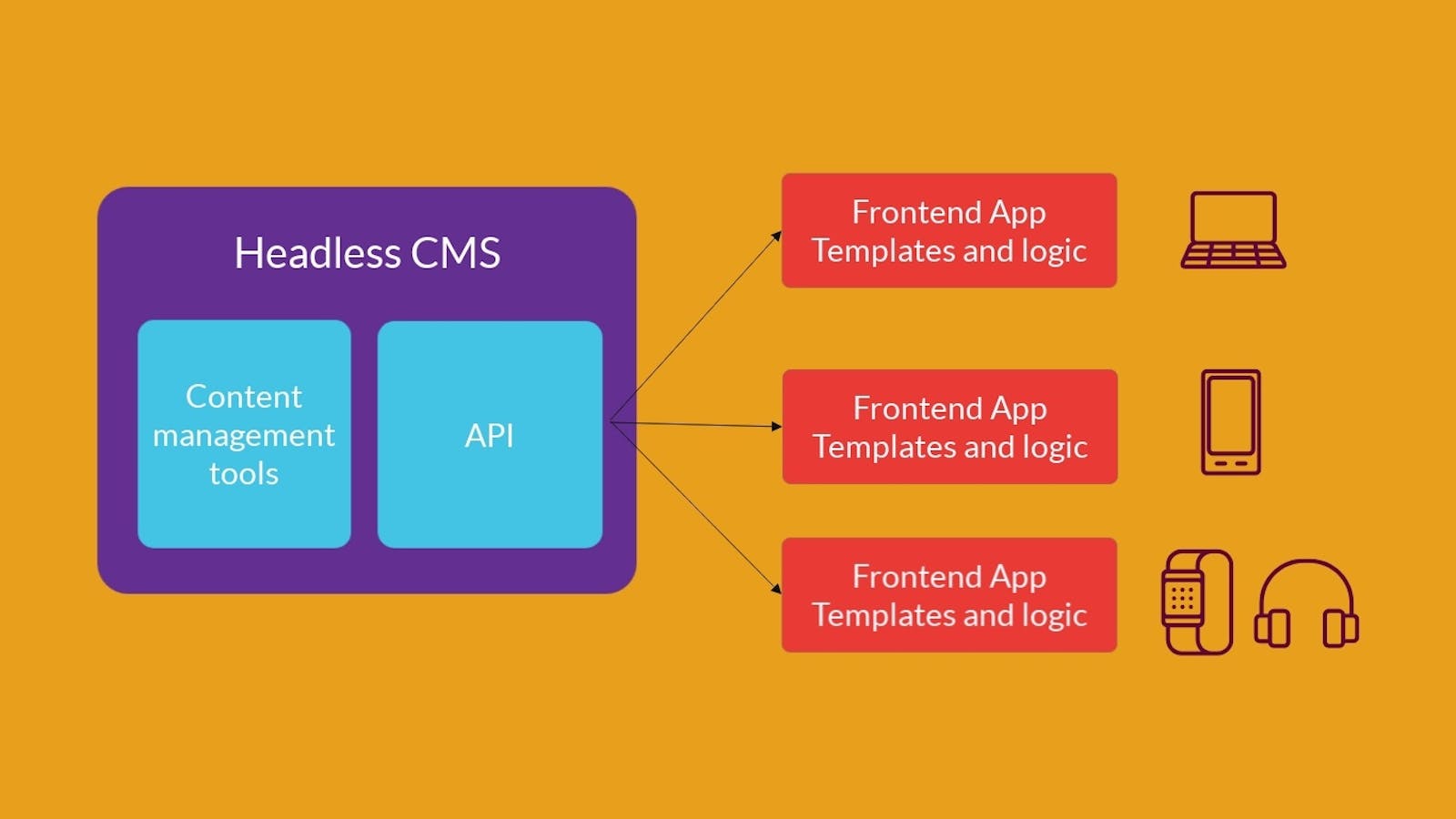
In today's digital landscape, content needs to be distributed across multiple channels, such as websites, mobile apps, and IoT devices. Next.js with a headless CMS enables developers to create a centralized content repository that can be easily consumed by various channels, ensuring consistent and synchronized content delivery.
Activate Collaborative Work Processes
A headless CMS makes it possible for developers and content editors to collaborate simultaneously by separating the front end from the back end and managing content with predictable content models. By employing frameworks like Next.js, developers may more easily design content applications while having the freedom to do whatever they want with the frontend.
Authors of the content can swiftly change it across all channels without developer assistance, allowing both sides to operate more effectively. For businesses looking to accelerate their time to market and make the most of their digital team's time, it offers a competitive advantage.
Future-Proofing
Next.js is backed by a vibrant and active community, ensuring continuous updates and improvements. By combining it with a headless CMS, developers future-proof their projects by leveraging the latest advancements in both frontend and backend technologies.
Present Condition and Prospect
You might think that starting from scratch would entail creating everything for a new website. The content platform, as well as the majority of the elements that present the material, remain the same even if the design and front-end technologies have been updated. Since it would require a great amount of work, we are doing as little as possible in this area prior to coming live.
Despite this, there is still a lot of work to be done on new parts and designs for the new website. In keeping with our basic values of openness, agility, and security, they are also making the Next.js integration lightweight and secure.
The Bottom Line
Next.js with a headless CMS offers a powerful combination for modern web development. It provides enhanced performance, improved SEO capabilities, seamless content management, flexibility, scalability, and improved development efficiency. This combination empowers developers to build dynamic, scalable, and content-rich websites while providing content editors with an intuitive interface for managing and updating content.
By adopting this approach, businesses can stay ahead in the competitive digital landscape and deliver exceptional user experiences. So, if you're embarking on a web development project, consider harnessing the potential of Next.js with a headless CMS to unlock a world of possibilities.